How It Works
Photograph the cover and you're most of the way there. The analyzer reads the title, cover art, price box, and issue number — then cross-references key-issue records and collector market data.
Photograph the Cover
Lay the comic flat in good light and capture the full cover. Include the price and date box in the top corner for accurate dating.
Instant Analysis
The analyzer identifies the publisher and issue, dates the era, flags whether it's a key issue, and estimates the condition grade.
Get Your Report
Receive a complete profile: title and issue ID, first-appearance notes, historical context, grade estimate, and current market value.
What the Analysis Covers
A single cover holds a surprising amount of information. The analysis surfaces all of it.
Types of Comics We Identify
The comic world spans more than 85 years of publishing history. The analyzer understands all of it.
What Makes a Comic Book Valuable?
Most comics sell for a few dollars. But certain factors push values into the hundreds, thousands, or far beyond. The artiFACT analyzer evaluates all of them.
- Key issues and first appearances. The first appearance of a major character, an origin story, or a #1 issue is what collectors chase hardest. A single key issue can be worth more than a whole long box of common books.
- Grade and condition. Spine stress, corner wear, creases, tears, and page color dramatically affect value. A high-grade copy can be worth many times a worn one of the exact same issue.
- Age and scarcity. Golden and Silver Age books survived in far smaller numbers than modern ones. Earlier era plus low surviving population equals stronger value.
- Restoration. Trimming, color touch, and tape repairs typically reduce value sharply versus an unrestored copy. The analyzer flags visible signs to watch for.
- Publisher and significance. Landmark titles and historically important runs from major publishers carry premiums, and creator-significant indie books can punch well above their print run.
Tips for the Best Results
Comic photography is straightforward — these small steps make a meaningful difference in analysis quality.
- Photograph the cover flat. Lay the comic on a flat surface and shoot straight down so the full cover is square and in focus.
- Include the price and date box. The cover price and date in the top corner is the fastest, most reliable clue to the era and issue.
- Use good even lighting. Avoid flash glare on glossy covers. Soft, even light from a window on an overcast day is ideal.
- Capture the spine and corners. Condition lives in the edges — a second photo of the spine and corners makes the grade estimate much more accurate.
Frequently Asked Questions
Recently Identified Comic Books
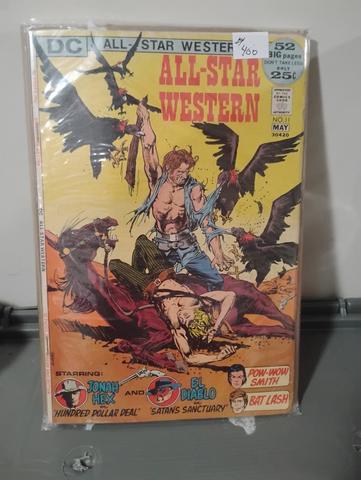
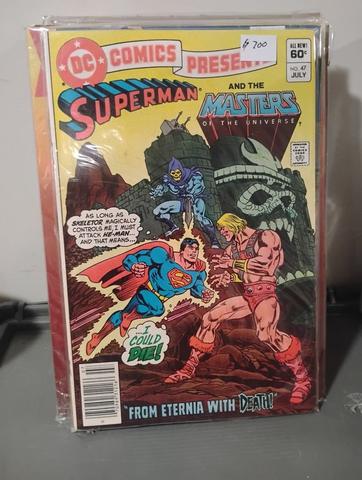
A few real comic books that members have identified and valued with artiFACT.
Curious What Your Comic Holds?
Upload a photo and discover the story behind it — era, key issue, grade, and value — in under 30 seconds.
Analyze My Comic Free →No credit card · No account required to start